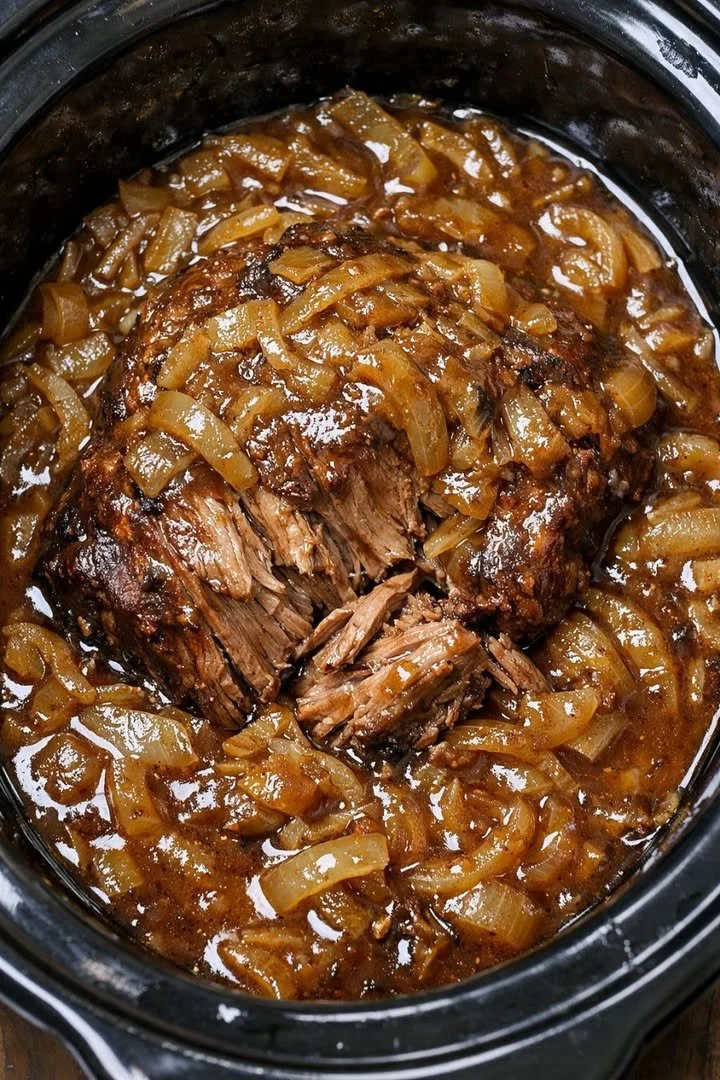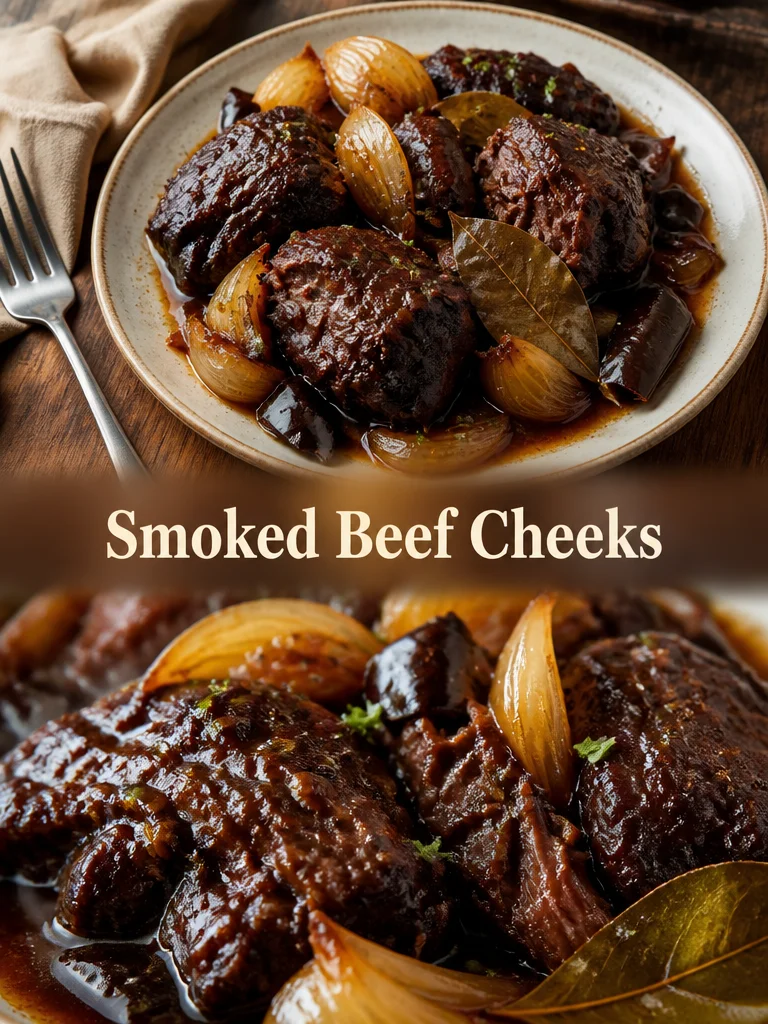
I still remember the first time I smoked beef cheeks — the bark was caramelized, the meat shredded like butter, and the house smelled like a backyard BBQ festival. Smoked beef cheeks are an under-the-radar cut that reward a bit of patience with deep, beefy flavor and an unrivaled melt-in-your-mouth texture. They’re perfect when you want something impressive for a weekend cookout, a special family dinner, or to pull into tacos and sandwiches all week long.
What makes this recipe special
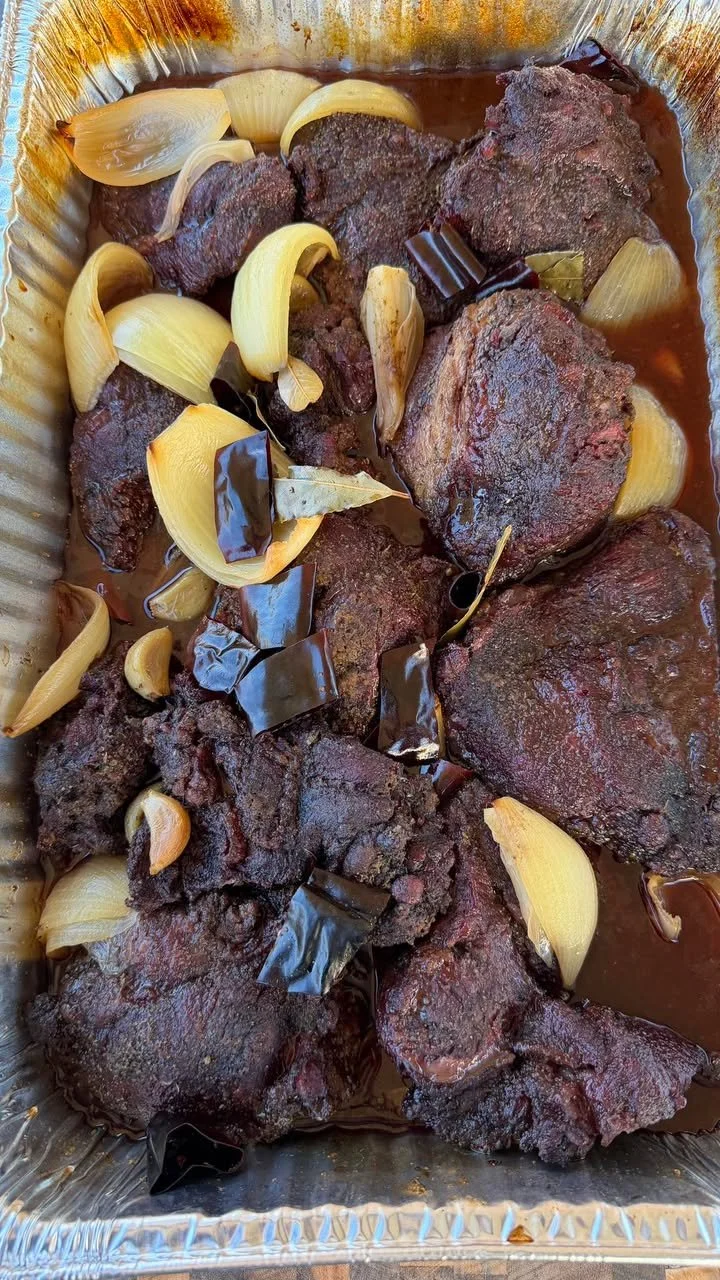
Beef cheeks are a working muscle, which means they’re full of connective tissue that turns gelatinous with low-and-slow cooking. Smoking them at 225°F and bringing them to about 200°F internal gives you that silky texture you can shred with forks. This recipe uses a straightforward dry rub — salt, pepper, garlic and onion powders, smoked paprika and brown sugar — to build a savory, slightly sweet crust that pairs beautifully with hickory or mesquite smoke.
“I smoked these for a backyard dinner and everyone asked for the recipe — tender, smoky, and perfect for sliders.” — A quick home-cook review
Why make this:
- Incredible value: cheeks are cheaper than prime cuts but become luxurious after smoking.
- Make-ahead friendly: smoke in the morning and serve later. They keep (and even improve) in flavor.
- Versatile: shred for tacos, serve over mashed potatoes, or pile onto toasted buns.
- Low hands-on time: most of the work is waiting while the smoker does the job.
The cooking process explained
Quick overview so you know what to expect:
- Trim and season the cheeks, then let them marinate to let flavors penetrate.
- Low-and-slow smoking at 225°F builds smoke flavor while slowly breaking down collagen.
- Smoke until the cheeks reach about 200°F internal — that’s when they become tender enough to shred.
- Rest the meat to let juices redistribute, then slice or shred and serve.
{image_template}
What you’ll need
- 2–3 pounds beef cheeks (trimmed of excess fat)
- 2 tablespoons salt (adjust to taste)
- 1 tablespoon black pepper
- 1 tablespoon garlic powder
- 1 tablespoon onion powder
- 1 tablespoon smoked paprika
- 1 tablespoon brown sugar
- Wood chips for smoking (hickory or mesquite recommended; soak if using a chunkless smoker)
- Beef broth (optional — for adding moisture in the smoker or when wrapping)
Notes & substitutions:
- Salt: you can reduce to 1–1½ tbsp if you prefer less-salty crust.
- Smoked paprika can be swapped for regular paprika + a few drops of liquid smoke if needed.
- Brown sugar helps with bark development; coconut sugar works as a substitute for a less refined option.
- If you don’t have a smoker, see FAQ for an oven or grill alternative.
{image_2}
Step-by-step instructions
- Trim the beef cheeks: Remove any large bits of tough silver skin and excess fat. Pat dry with paper towels.
- Make the rub: Combine salt, black pepper, garlic powder, onion powder, smoked paprika, and brown sugar in a bowl. Mix well.
- Apply the rub: Rub the spice mix all over the cheeks, pressing so it adheres. For deeper flavor, wrap and refrigerate for at least 2 hours or overnight.
- Preheat the smoker: Heat to 225°F (107°C). Add your soaked wood chips or chunks (hickory or mesquite give a strong, classic beef smoke).
- Begin smoking: Place the cheeks fat-side up on the smoker grate. If you want extra humidity, set a small pan of beef broth in the smoker or use a water pan.
- Monitor and wait: Smoke for about 4–5 hours, but more important than time is internal temperature. Use a probe thermometer and pull when the cheeks register about 200°F (93°C). At this point collagen has broken down and the meat will be tender.
- Optional moisture step: If the cheeks seem dry during the cook, spritz them with beef broth or wrap them in foil/butcher paper with a splash of broth for the last hour (the “Texas crutch” speeds tenderness).
- Rest before slicing: Remove from the smoker and tent loosely with foil. Rest at least 30 minutes — this helps juices redistribute and makes shredding cleaner.
- Slice or shred: Use two forks to pull the cheeks apart or slice against the grain if you prefer thicker pieces. Serve warm.
Best ways to enjoy it
- Tacos al pastor–style: warm tortillas, pickled onions, cilantro, a squeeze of lime, and a drizzle of salsa verde.
- Classic sandwich: toasted brioche or hoagie roll, smear of horseradish mayo, pickles, and piled smoked cheeks.
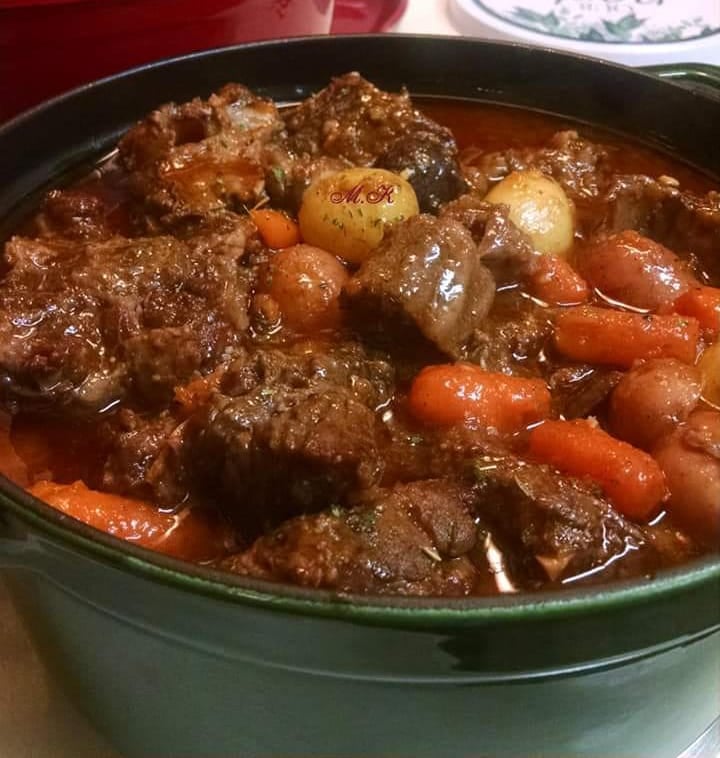
- Comfort plating: serve over creamy mashed potatoes or buttered noodles with pan jus from the resting juices.
- Family-style: shred and serve on a big platter with coleslaw, baked beans, and cornbread for a BBQ spread.
- Garnishes and pairings: pickled red onions, chimichurri, or a bold BBQ sauce. For drinks, try a malty amber beer or a bold red like Zinfandel.
How to store & freeze
Short-term:
- Refrigerate leftovers within two hours in an airtight container. Store in the fridge up to 3–4 days.
Reheating: - Reheat gently in a low oven (250°F) wrapped in foil with a splash of beef broth to avoid drying. Microwave in short bursts if in a hurry, but texture is best when reheated slowly.
Freezing: - Cool completely, then vacuum-seal or pack tightly in freezer-safe containers with a little broth. Freeze up to 3 months. Thaw overnight in the fridge before reheating.
Food safety tip: always bring reheated meat to 165°F before serving.
Pro chef tips
- Use a probe thermometer: it’s the only reliable way to know when cheeks are done — target ~200°F (93°C).
- Pat the cheeks dry before seasoning to help the rub adhere and form a better bark.
- Brown sugar melts and caramelizes into the bark — don’t skip it unless you need to.
- Don’t rush the stall: connective tissue and collagen take time. Wrapping shortens cook time but can soften the bark.
- Rest like you mean it: 30 minutes under tented foil keeps meat juicy and easier to shred.
- If you want extra moisture during the cook, place a foil pan of beef broth or apple juice on the smoker shelf below the meat for a humid environment.
Creative twists
- Asian-inspired: add 1 tbsp five-spice powder to the rub and finish with a soy-hoisin glaze for tacos or bao.
- Coffee-rubbed cheeks: replace brown sugar with finely ground espresso and add a touch of cayenne for bitterness and heat.
- Low-sodium option: cut the salt to 1 tbsp and boost umami with a splash of Worcestershire or soy when serving.
- Sous-vide then smoke: finish cheeks in a 165°F sous-vide bath for 12–18 hours, then smoke for 30–60 minutes for bark without prolonged time in the smoker.
- Vegetarian pairing: for a vegetable-forward meal, serve shredded cheeks over roasted root vegetables and lentils.
{image_1}
Common questions
Q: How long does the whole process take?
A: Active prep is short — 20–30 minutes to trim and rub. Smoking takes about 4–5 hours at 225°F, but plan for 5–7 hours total including rest and any stall time. If you marinate overnight, add that time.
Q: Why do you smoke to 200°F? Isn’t that high for beef?
A: Cheeks are full of collagen; they need higher internal temps (around 200°F / 93°C) to convert that collagen into gelatin and become tender. Unlike steaks, you’re aiming for tenderness, not a specific doneness like rare or medium.
Q: Can I use an oven or grill if I don’t have a smoker?
A: Yes. Oven: cook at 250°F with a pan of liquid (beef broth) and add a smoked-flavor element like smoked paprika or a few drops of liquid smoke. Grill: set up for indirect heat at ~225–250°F and use a smoker box or soaked wood chips. Results won’t be identical to a dedicated smoker, but still delicious.
Q: Should I wrap the cheeks during the cook?
A: Wrapping (foil or butcher paper) during the stall helps speed through the tough middle phase and keeps moisture in. Use foil for faster finish and softer bark, butcher paper if you want to retain some bark while still speeding up the cook.
Q: How do I reheat without drying out the meat?
A: Reheat in a low oven (250°F) wrapped in foil with a splash of beef broth. Alternatively, rewarm gently in a covered pan on the stovetop over low heat with added liquid.
Q: Can I cook larger batches?
A: Absolutely. Increase smoker time slightly for larger pieces and make sure your smoker has room for airflow. Monitor internal temperatures for best results.
If you want, I can create a printable version of this recipe card or a shopping list formatted for mobile. Which would you prefer?