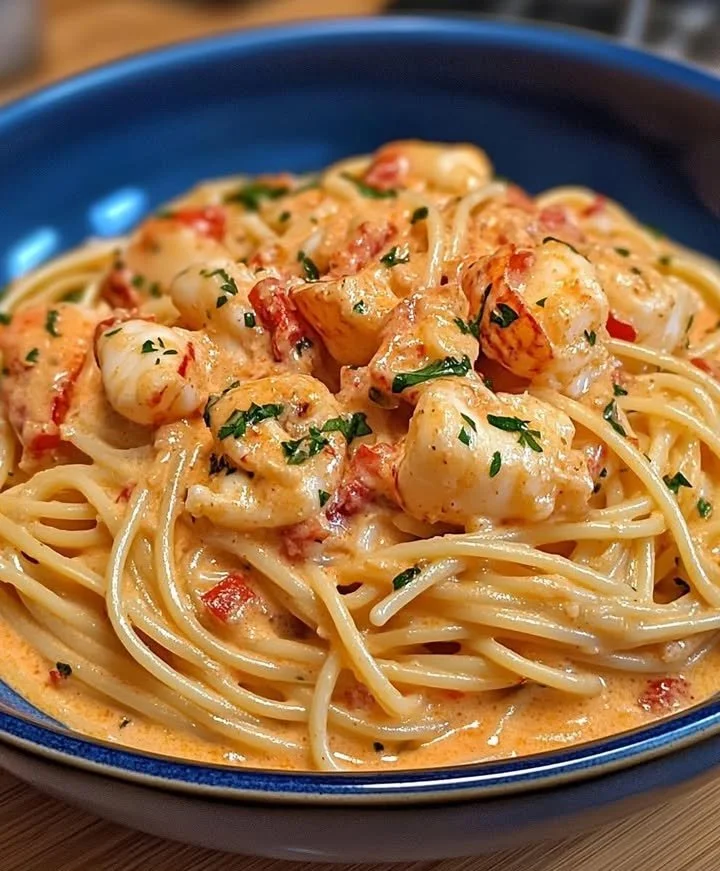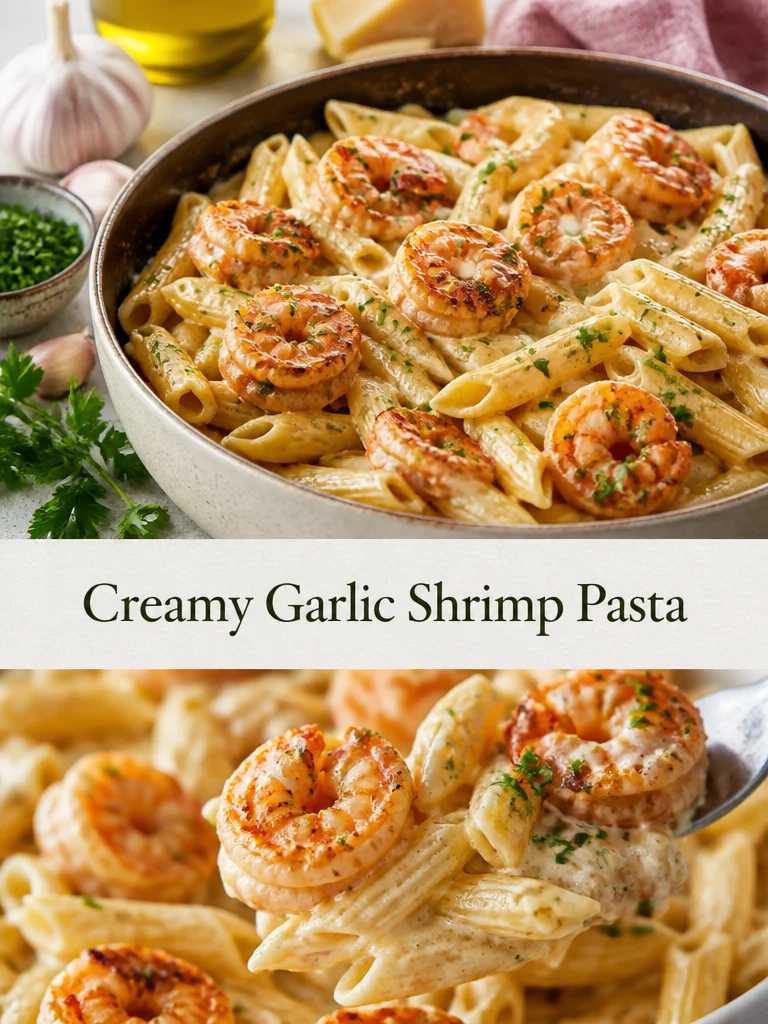
I’ve made this creamy garlic shrimp pasta more times than I can count because it lands in that sweet spot between fast, comforting, and a little bit special. The sauce clings to every strand of pasta, the shrimp cook in minutes, and the garlic-Parmesan flavor feels restaurant-worthy without turning dinner into a project. If you enjoy simple seafood pastas, you might also like creamy garlic Parmesan shrimp pasta for a close cousin of this same comfort-food style.
Why you’ll love this dish
This is the kind of meal that solves a weeknight dinner problem without feeling rushed. It uses a short ingredient list, cooks quickly, and still gives you a rich, silky sauce that tastes like you put in far more effort than you did.
It’s also versatile. You can serve it for a quiet dinner at home, a casual date night, or when you want to impress guests with something elegant but easy. The ingredients are familiar, so it usually pleases both kids and adults, especially if you keep the pepper gentle.
“Creamy garlic shrimp pasta is one of those dishes that feels like comfort food and a treat at the same time. The sauce is rich, the shrimp stay tender, and the whole skillet comes together so smoothly that it’s hard not to make it again the next week.”
If you like a little heat with your seafood pasta, the flavors in creamy Cajun shrimp pasta bake are a great next step when you want something with more spice and baked-in depth.
The cooking process explained
The method is straightforward, and that’s part of the appeal. You’ll start by cooking the pasta until just al dente so it holds up in the sauce. While that’s happening, the shrimp cook in a skillet with olive oil, butter, and garlic, which builds a flavorful base right away.
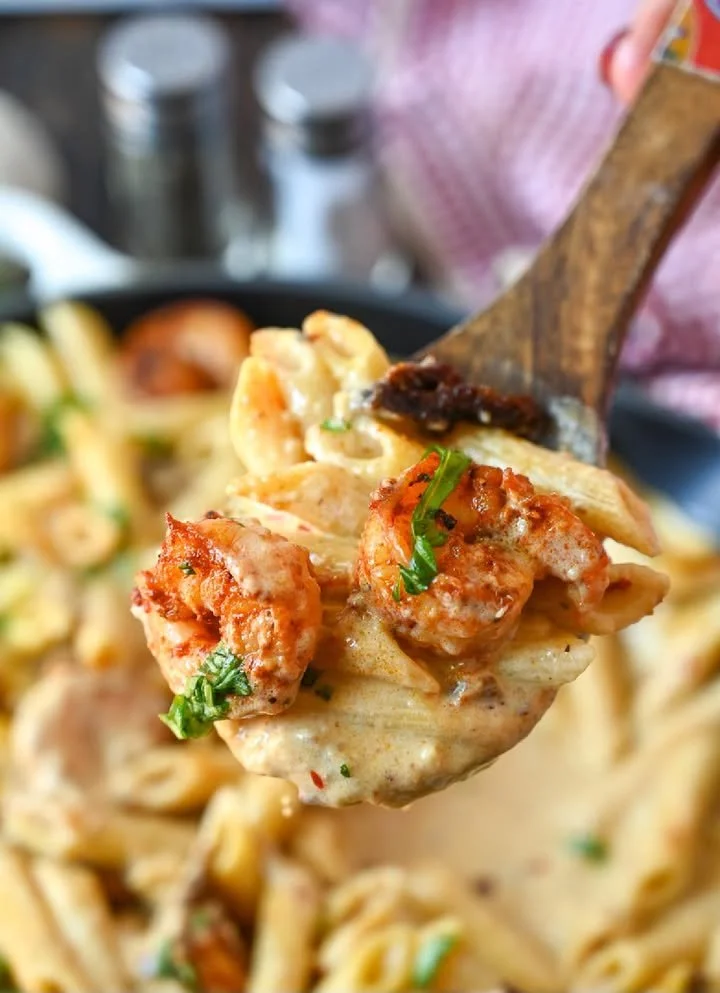
Once the shrimp are pink and just cooked through, the cream goes in to create the sauce. Parmesan melts in next, thickening everything into a glossy coating for the pasta. At the end, the cooked noodles are tossed right into the skillet so they absorb the sauce and pick up all that garlicky flavor.
{image_template}
Gather these items
- 8 oz pasta, such as fettuccine or linguine
- 1 lb shrimp, peeled and deveined
- 4 cloves garlic, minced
- 1 cup heavy cream
- 1 cup grated Parmesan cheese
- 2 tbsp olive oil
- 1 tbsp butter
- Salt and pepper, to taste
- Fresh parsley, chopped, for garnish
A few small notes: fettuccine gives you a fuller, silkier bite, while linguine feels a little lighter. Freshly grated Parmesan melts more smoothly than pre-shredded cheese, so if you have time, it’s worth using.
How to prepare it
- Cook the pasta in salted water until al dente. Drain it and set it aside.
- Warm the olive oil and butter in a large skillet over medium heat.
- Add the minced garlic and sauté for 1 to 2 minutes, just until fragrant.
- Add the shrimp, season with salt and pepper, and cook for about 3 to 4 minutes, until they turn pink.
- Pour in the heavy cream and bring it to a gentle simmer.
- Stir in the Parmesan cheese until the sauce is smooth and creamy.
- Add the cooked pasta to the skillet and toss until everything is evenly coated.
- Serve right away with chopped parsley on top.
Best ways to enjoy it
This pasta is rich enough to stand on its own, but a simple side makes it feel like a full dinner. I like serving it with a crisp green salad, garlic bread, or roasted asparagus to balance the creaminess. If you’re plating it for guests, twirl the pasta into neat nests and place the shrimp on top for a polished look.
A squeeze of lemon can also brighten the dish at the table if you want a little contrast. That touch of acid helps cut through the cream and makes the seafood taste even fresher.
Keeping leftovers fresh
Store leftovers in an airtight container in the refrigerator for up to 3 days. When reheating, add a splash of cream, milk, or water to loosen the sauce, then warm it gently over low heat or in short microwave bursts.
Try not to overcook the shrimp during reheating, since they can turn rubbery quickly. For food safety, cool leftovers promptly and don’t leave the pasta at room temperature for more than 2 hours. Freezing is possible, but the cream sauce may separate a bit after thawing, so the texture is best when enjoyed fresh.
Tricks for success
Use low to medium heat once the cream goes in. If the pan is too hot, the sauce can break or become grainy. You also want to watch the shrimp closely; they’re done as soon as they turn pink and opaque, and overcooking will make them tough.
Season in layers. A little salt in the pasta water, a little on the shrimp, and a final taste of the sauce before serving will give you a much better result than trying to fix everything at the end. If the sauce seems too thick, loosen it with a spoonful of pasta water.
Flavor swaps
There are plenty of ways to make this recipe your own. You can add red pepper flakes for heat, toss in baby spinach at the end for color, or stir in sun-dried tomatoes for a richer, slightly tangy finish.
For a lighter version, use half-and-half instead of heavy cream, though the sauce won’t be quite as luxurious. You can also swap the shrimp for scallops or even chicken if seafood isn’t what you have on hand. For a gluten-free version, just use your favorite gluten-free pasta and cook it carefully so it doesn’t over-soften.
Helpful answers
How long does creamy garlic shrimp pasta take to make?
It usually takes about 20 to 25 minutes from start to finish, depending on how quickly your pasta water comes to a boil and how fast you prep the shrimp.
Can I use frozen shrimp?
Yes. Just thaw them fully first and pat them dry before cooking. Excess water can thin out the sauce and keep the shrimp from searing properly.
What can I use instead of heavy cream?
Half-and-half works in a pinch, but the sauce will be a little lighter. You can also use a mix of milk and a bit of cream cheese, though the flavor and texture will change slightly.
Why did my sauce turn grainy?
That usually happens if the heat is too high when the Parmesan is added, or if the cheese is pre-grated and doesn’t melt smoothly. Keep the heat gentle and stir steadily for the best texture.
Conclusion
This is the kind of pasta that earns a permanent spot in the dinner rotation because it’s quick, comforting, and easy to adapt to your taste. If you want another reliable version to compare technique and flavor, the garlic shrimp pasta recipe is a helpful reference for building out your seafood pasta repertoire.