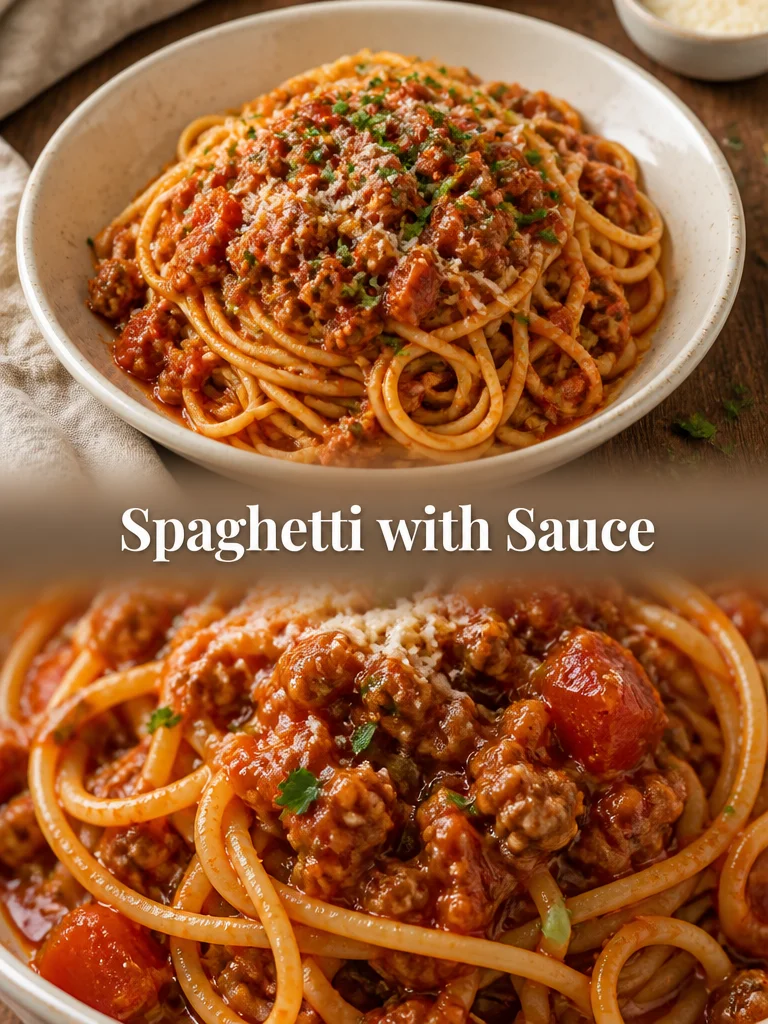
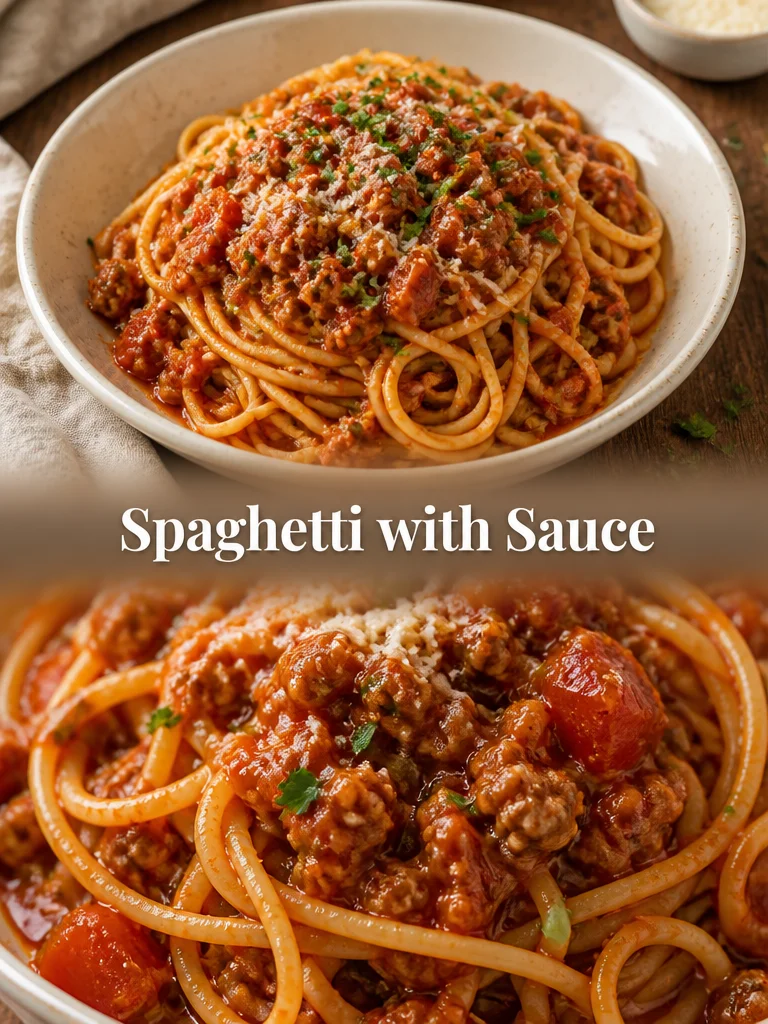
I make this simple spaghetti with tomato sauce all the time when I need a quick, comforting meal that doesn’t demand a long grocery list. It’s just pasta, a straightforward tomato sauce, garlic and onion, and a little olive oil — yet it hits the spot every time. Perfect for weeknights, picky eaters, or when you want a humble, homey plate of pasta without fuss.
Why you’ll love this dish
This recipe is fast, budget-friendly, and reliably satisfying. It’s the kind of dinner you can pull together while helping kids with homework, or serve when friends drop by unexpectedly. The flavors are classic and familiar: garlic and onion build a savory base, tomato sauce gives instant body, and fresh basil adds bright finish. Because it uses pantry staples, it’s also great for meal rescue nights.
“Simple, bright, and exactly what I wanted after a long day — my family asked for seconds.” — a quick review from a weekly tester
How this recipe comes together
Brief overview of the process so you know what to expect:
- Boil salted water and cook spaghetti until al dente. Drain but reserve a splash of pasta water.
- Sauté onion until soft, add garlic and cook just until fragrant.
- Pour in tomato sauce, season, and simmer briefly to marry flavors.
- Toss pasta into the pan with sauce. Add reserved pasta water if needed to loosen.
- Plate and garnish with fresh basil.
{image_template}
What you’ll need
- 200 g spaghetti
- 2 cups tomato sauce (canned passata or jarred marinara both work)
- 2 cloves garlic, minced (or 1 tsp garlic powder in a pinch)
- 1 onion, chopped (yellow or sweet onion)
- Salt and freshly ground black pepper, to taste
- Olive oil (1–2 tbsp)
- Fresh basil leaves for garnish
Notes: If you prefer, swap spaghetti for linguine or any long pasta. For a richer sauce, stir in a knob of butter or a splash of cream at the end.
Step-by-step instructions
- Bring a large pot of water to a rolling boil. Add a generous pinch of salt (this seasons the pasta). Cook the spaghetti according to package directions until al dente. Before draining, scoop out ½ cup of the starchy pasta water and set aside. Drain the pasta and keep it aside.
- Warm a large skillet over medium heat and add 1–2 tablespoons of olive oil. Add the chopped onion and sauté, stirring occasionally, until it becomes translucent and soft (about 5–7 minutes). Adjust heat if the onion browns too quickly.
- Add the minced garlic to the pan and cook for about 30–45 seconds, just until fragrant. Don’t let it burn — burnt garlic tastes bitter.
- Pour in the tomato sauce. Stir, then season with salt and freshly ground black pepper to taste. Reduce heat to low and let the sauce simmer gently for about 10 minutes to let the flavors marry. If the sauce looks too thick, add a splash of the reserved pasta water.
- Add the cooked spaghetti to the skillet. Toss or use tongs to coat every strand in sauce. If the sauce needs to loosen, add a little more of the reserved pasta water until the sauce clings to the pasta.
- Serve immediately, garnished with torn fresh basil leaves and an optional drizzle of olive oil or a sprinkle of grated cheese.
Best ways to enjoy it
- Plate simply with fresh basil and a grind of black pepper for a classic presentation.
- Serve with a crisp green salad dressed with lemon vinaigrette or a simple arugula salad.
- Add a side of garlic bread or a slab of crusty bread to mop up any sauce.
- For a heartier meal, top with grilled chicken, sautéed mushrooms, or browned Italian sausage.
Storage and reheating tips
- Refrigerate leftovers in an airtight container within two hours of cooking. Store for up to 3–4 days.
- To reheat, warm gently on the stovetop over low heat with a splash of water or olive oil to revive the sauce and prevent drying. Microwaving works too; cover and heat in 30–45 second bursts, stirring between intervals.
- To freeze, cool completely, then transfer to a freezer-safe container for up to 2–3 months. Thaw in the refrigerator overnight and reheat on the stovetop with a little extra liquid.
- Food safety note: reheat leftovers to at least 74°C (165°F) if you want to be extra cautious.
Pro chef tips
- Salt the pasta water like the sea — this is your primary chance to season the pasta itself.
- Reserve pasta water: the starchy liquid helps emulsify the sauce and makes it silky. Add it slowly until you reach the desired consistency.
- Cook garlic briefly: add garlic after the onion softens so it doesn’t burn. Garlic cooks quickly and turns bitter if overcooked.
- Keep some sauce aside if you plan to reheat — it helps prevent the pasta from drying out.
- If the sauce tastes flat, finish with a splash of good-quality extra-virgin olive oil or a teaspoon of sugar to balance acidity.
Creative twists
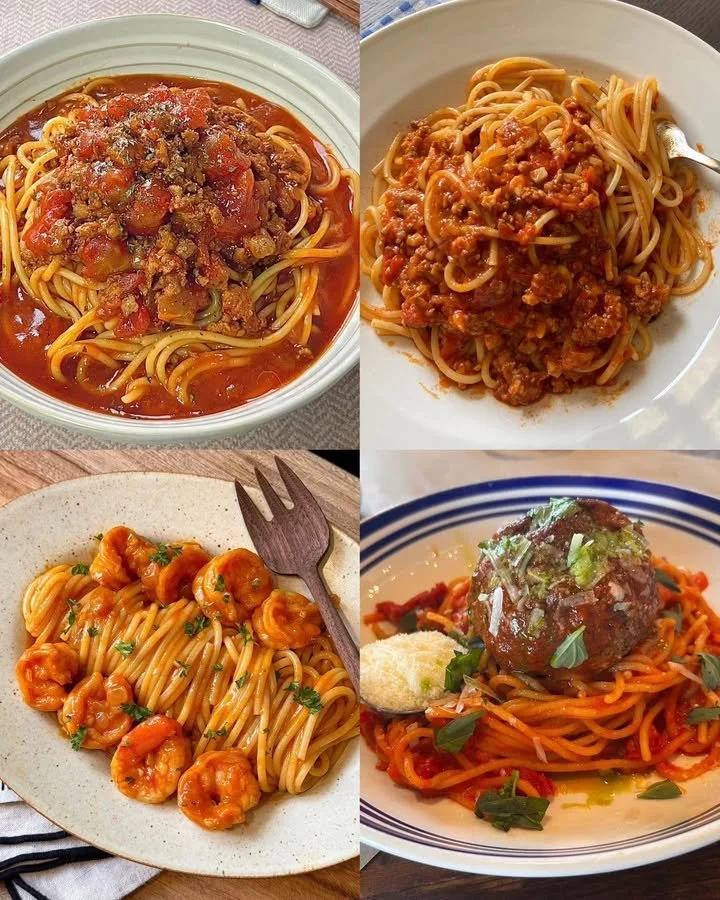
- Protein boost: stir in shredded rotisserie chicken, canned tuna, or browned ground beef.
- Veg-friendly: toss in sautéed zucchini, bell pepper, or spinach at the end to wilt.
- Spicy: add red pepper flakes while sautéing the garlic for a kick.
- Creamy version: swirl in 2 tablespoons of cream or mascarpone at the end for a richer sauce.
- Vegan/Gluten-free: use gluten-free spaghetti and ensure your tomato sauce contains no dairy or hidden animal ingredients.
Your questions answered
Q: How long does this take from start to finish?
A: About 20–25 minutes. While the sauce simmers, the pasta cooks, so timing overlaps and keeps total time short.
Q: Can I use fresh tomatoes instead of jarred sauce?
A: Yes. Dice 3–4 ripe tomatoes and cook them down with the onion and garlic for 10–15 minutes, or use canned crushed tomatoes for convenience.
Q: Do I need to add oil to the pasta water?
A: No. Oil in the pasta water can prevent sauce from sticking. Use salted water instead and finish by tossing pasta with the sauce and a bit of reserved pasta water.
Q: Can I make this ahead for meal prep?
A: Make the sauce up to 3 days ahead and store in the fridge. Cook pasta just before serving for best texture. If you must combine ahead, undercook the pasta slightly so it doesn’t become mushy when reheated.
Q: How can I tell when the pasta is al dente?
A: Taste a strand a minute or two before the package time ends. It should be tender but still have a slight chew in the center.
If you want, I can add a printable recipe card or scale the ingredients for 4 servings — tell me how many people you’re feeding.